-
Introduction to this blog
The only unifying element to these bi-monthly offerings (the first to appear in August) will be that each will touch, if only ephemerally and tangentially (briefly and at the edges) at times, on people, places and things associated with “Appalachia”. And by “Appalachia” I mean the geographical area defined by the Blue Ridge Mountains to the east, the Cumberland Plateau to the west, Lookout Mountain to the south, and the Mason-Dixon line to the north. That’s my Appalachia and probably the definition of many who reside or resided in this part of Southern Appalachia (“central Appalachia”?).1 For others, it is something else.2
The concept of Appalachia is in itself esoteric. Is it only geographical ?3 ; Is it jurisdictional?4 Is it a certain set of foodways5, music6, crafts, architecture or other folkways? Is it an archaic, remnant, way of speech7 or an Irish and Scotch enclave?8 Is it political?9 Is it only the poor people and areas of the region (see endnote 4)? Is it a shared set of values and beliefs?10 Can it include urban centers as well as rural countryside?11 Is it an outdated (or never real) stereotype represented by “Lil Abner”, “Snuffy Smith”, or SNL’s Appalachian Emergency Room? For those within and outside of Appalachia, it may in reality consist of a little of all of these, or now very little of any of these, with the homogenization of everyone and everything through mass media and personal mobility. Who knows?
For most of us, we can’t simply and coherently define “Appalachia”, but like Supreme Court Justice Potter Stewart’s definition of hardcore pornography, we individually know it when we experience it. Appalachia is not actually definable, but only personally identifiable. There is no real definition of Appalachia. It has always depended on the utilitarian need(s) at any given time on the part of an individual or organizations defining it.12 It’s probable that “Appalachia” as a “strange land inhabited by a peculiar people”13 is mostly, if not entirely, a “ myth”.14 It is a mythology, however, that provides a sense of identity and belonging to those who reside in “Appalachia”, and “a home for the spirit”15 for those who have left.
Some of these offerings will be of little or no interest to inhabitants and expatriates of Appalachia, and others will be of interest only to those who live or have lived here. I hope you enjoy them regardless.
End notes
1. This is what author Jeannie Ralston calls this area as located in parts of Kentucky, Tennessee, Virginia and West Virginia (1993:116)
2. Paul M. Fink, 1975:35, defines it as “that part of the mountain mass that includes Southwest Virginia, Western North Carolina, Southeast Kentucky and East Tennessee. Here cut off from the rest of the south by the rugged terrain, has developed a culture all its own, varying in customs, speech and religious beliefs from the rest of Appalachia.”
3. The one thing Appalachia is not is synonymous with the Appalachian Mountain chain which has its continental beginning “near the tip of Quebec’s Gaspe Peninsula” (Brooks, 1965, 1) and “reach their southern terminus in Georgia and Alabama” (Ibid., 3)
4. Established by Congress in 1965 To “transform Appalachian communities, create jobs, and strengthen the regional economy” (ARC website) , The Appalachian Regional Commission (ARC) defines Appalachia as 400 plus counties located over 13 states extending from north Mississippi to western New York, with Congress designating those counties as Appalachian based on their economic needs as well as their proximity to mountains.(Carlson, 2010:21) Additional counties can and have been added to “Appalachia” over the years.(ibid)
5. In Appalachian Mountain Country Cookina thin paperback of recipes published in 1977 by Christian Relief Services’ Americans helping Americans in Appalachia, there are recipes for shrimp creole soup, Swedish meatballs, seafood crab salad and quick taco bake. The “Appalachian” here consists of the Southern West Virginia women who provided the recipes.
6. Bill C. Malone (2004:115) asserts that “There is no such thing as ‘Appalachian Music.’”, and that “It exhibits the influence of many ethnic and racial groups and, above all, the interaction of city and rural forms and the changing economic patterns of the Southern mountains.” (ibid)
7. Probably not (Montgomery, 2004:160-161)
8. No. There are too many references to cite any one in particular!
9. Attempts have been made to envision a definable and workable regional identity for “Appalachia” , to politically provide “a basis for broad solidarity and coalition”, and “a kind of political cement to bond separate issue-oriented constituencies more tightly together in the initial stages of organization.” (Whisant, 1980:46) In the 1940s, John Van Sickle (1943:38) defined a region as “a geographic area occupied by a people who feel that they have more interestsgroup than they have with those in other areas.” Van Sickle goes on to list some of the origins of these “loyalties”: “Geographical influences obviously play an important part – climate, soil, etc. A common language is a factor. Memory of past triumphs enjoyed and tribulations endured together promote emotional unity. A predominant way of earning a living is a unifying force. An alien minority heightens emotional unity.” (ibid) and loyalties in common within their own
10. In a paper presented to “Appalachian Semester” students at Union College, Barboursville, Kentucky, September 29, 1970, Loyal Jones listed some of those shared values: “Religion, Individualism, Self-reliance and Pride, Family Solidarity, Neighborliness and Hospitality, Personalism, Modesty and being one’s self, Love of Place, Sense of Beauty, Sense of Humor, Patriotism”. These same values, of course, could be shared to a lesser or greater degree among New Englanders. R. Morris Day (1975:, 73-80) also ascribes to Southern Appalachian folk the same or similar values, with a particular emphasis on religion and patriotism. In 40 Acres and No Mule (1967) Janice Holt Giles-at the extreme- boldly defines Appalachia as “an island long isolated in the middle of America, a primitive society with its own mores and norms, its own peculiar ways and customs, its own social structure, its own legalistic and biblical religion.” (ibid:2), and, “Indeed, it is the very consistency of the religious concepts and family ways in all of Appalachia which makes it possible to speak of ‘Appalachia’ at all.” (Ibid:4). Holt Giles adds that “nearly everything an Appalachian is proceeds from his religious concepts” and “In the whole pattern of his life the Appalachian is an early Christian”. (Ibid:5)
11. Frank Carlson asks this question of Knoxville in “Are We Appalachian” in the March 11, 2010 issue of Metro Pulse. The article also highlights the ambiguities in trying to define “Appalachia”.
12. e.g. Shapiro, 1978:x, xiv, 32-33,265
13. The phrase originally came from the title of a 1873 Lippincott’s article by Will Wallace Harney (ibid:3)
14. Ibid:263
15. Whisnant, 1980:46
References Cited
Appalachian Resource Commission website
Brooks, Maurice, The Appalachians, Houghton Mifflin Company, Boston, The Riverside Press, Cambridge, 1965
Carlson, Frank, “Are We Appalachian?” Metro Pulse, Volume 20, No. 10, March 11, 2010, pgs. 18-26
Day, Morris R., “Pride And Poverty: An Impressionistic View Of The Family In The Cumberlands Of Appalachia.”, APPALACHIA: FAMILY TRADITIONS IN TRANSITION, edited by Emmett M. Essin, III, Research Advisory Council of East Tennessee State University, Johnson City, Tennessee, 1975
Fink, Paul M., “Religion in Appalachia.”, Appalachia:Family Traditions In Transition, edited by Emmett M. Essin, III, Research Advisory Council of East Tennessee State University, Johnson City, Tennessee, 1975
Holt Giles, Janice, 40 Acres and No Mule, The University Press of Kentucky, 1967
Malone, Bill C., “Music”, High Mountains Rising: Appalachia In Time And Place, edited by Richard A. Straw and H. Tyler Blethen, University of Illinois Press, Urbana and Chicago, 2004
Montgomery, Michael, “English Language” High Mountains Rising: Appalachia In Time And Place, edited by Richard A. Straw and H. Tyler Blethen, University of Illinois Press, Urbana and Chicago, 2004
Ralston, Jeannie and Karen Kasmauski, photographer, In the Heart of Appalachia., National Geographic Magazine, February, 1993
Shapiro, Henry D., Appalachia on Our Mind: The Southern Mountains and Mountaineers in the American Consciousness, 1870-1920, The University of North Carolina Press, Chapel Hill, 1978.
Van Sickle, John V., Planning For The South: An Inquiry into the Economics of Regionalism. Institute of Research and Training in the Social Sciences…, Vanderbilt University, 1943
Whisnant, David E., “Developments in the Appalachian Identity Movement.”, Appalachian Journal, Autumn, 1980, 41-47
-
Chapter 2: Appalachian Baseball, Diversity, War, Kings and Queens, and the Cycle of History
This week, pitchers and catchers report to their respective Major league spring training camps in either Florida or Arizona. Along with the running of the Daytona 500, the playing of the AT&T (nee Bing Crosby) Pro-Am at Pebble Beach, Spring Peepers peeping, the eruption of various Narcissus stems and, of course, the Imbolc/St. Brigid/Candlemas/Groundhog Day prognostication of Punxsutawney Phil, the beginning of baseball’s spring training is an annual harbinger of the coming spring.
But first allow me a long, deep and winding digression:
The King is dead, long live the Queen. Yes, you read that right; The King is dead, long live the Queen. Think 1953, not 2023. It is May 29th, 1953. A snippet teaser in the New York Herald Tribune
(bottom of figure 1) announces that there will be in the upcoming Sunday edition of the paper a “magnificent color painting” of the formal, June 2nd, Coronation of Queen Elisabeth II. It has been nearly 16 months since her father King George IV, ‘s death on February 6, 1952, and Elizabeth’s immediate succession to the throne.
[The formal Coronation of King Charles III is scheduled for May 6th, 2023, just shy of eight months after Queen Elizabeth II’s death on September 8th of last year, and just 23 days short of 70 years from the day of her Coronation.]
Though not yet widely reported, Tenzing Norgay and Edmund Hilary have this day in 1953 reached the summit of Mt. Everest. They are the first two individuals documented to have done so.
In other U.S./International news, negotiations are ongoing that will result on July 27th in the signing of the Armistice Agreement formally ending the Korean (undeclared) War. By the time the armistice is signed, more than 36 thousand U.S. soldiers will have died in the conflict. This is in addition to over 110,000 soldiers from South Korea and other participating U.N. nations who perished. It is estimated that 800,000 communist soldiers died, Around 1.200, 000 South and North Korean civilians lost their lives during the conflict.1 (Applicable to this blog’s overarching theme, the first U.S. military casualty, reported on July 5th, 1950, was nineteen year old Private Kenneth Shadrick from the Central Appalachian community of Skin Flint, West Virginia).2
[U.S. monetary (already tens of billions) contributions and presence of on-the-ground U.S. military personal (advisors and trainers) continue in support 3 of Ukraine’s defense against Russia’s February, 2022, invasion (just a massive expansion of Russian aggression that has continued since the beginning of the Russo-Ukrainian (undeclared) War, which began in February of 2014) .
It is only 17 months, however, since the last U.S. soldier departed Afghanistan on August 21, 2022., thus ending a nearly two decade military presence during the (undeclared) war. In that nearly 20 years (and as of April 17, 2021), 2,448 U.S. service members and 3,846 U.S. military contractors lost their lives in the conflict. (Their is a little redundancy in these mortality figures with those of the overlapping Iraq (undeclared) war.4 Another 1,144 allied service members died, including those from NATO member states. Sixty-six thousand (66,000) Afghan military members and police perished in contrast with the 51,191 Taliban and other opposition fighters who lost their lives. Oh, and 444 aid workers and 72 journalists died there too.5]
But for this resident of Appalachia, the “news” that caught the eye in the old, browned and brittle sports section of the aforementioned May 29, 1953 New York Herald Tribune was a bizarre little AP filler (Top of figure 1)

Figure 1 The headline read “No Fans, No Ball, No Game”. The story ran as follows:
KNOXVILLE, Tenn., May 29 (AP). — The knoxville Smokies forfeited a Class D Mountain States League game in Morristown for a unique reason last night: too broke to buy baseballs.
Club officials said poor attendance has left the club destitute. Because Knoxville is building a new ball park on the site of the old, the Smokies have played their home games in neighboring Sevier County at a rural park. The result, for the fourth-place club, has been very few fans.
Since the 1920’s, the Smokies and all previous incarnations of a Knoxville minor league team had been playing their games at the Caswell Park ball field and then Smithson Stadium on the east side of downtown Knoxville.6 Apparently the latter facility had aged out, and public and private leaders of Knoxville decided to build a new stadium nearly in the same location as the old. Despite much heated debate about the timing,7 construction began in 1953, and necessitated the Smokies playing in an available park in rural Sevier County, some 12 miles southeast of Knoxville. This would not be the last time Knoxville’s minor league team would vacate the inner city for the rural outskirts – and then return again.
On the basis of the AP wire story, one might reasonably think that the Smokies continued existence and operation to the end of that Mountain States season was tenuous at best.
Fortunately in the short run, a few dozen new baseballs arrived a few days later from various places in the U.S., and at least one in Canada (Allen, 2008:42).8 Apparently all but one were charity balls sent by children alerted to the crises through the AP – and UPI – wire stories.9 Even more fortunate in the long run for the ’53 Smokies was the presence and performance of a 30 year old southpaw pitcher by the name of Jim “Schoolboy” Tugerson (1923-1983).
Largely on the strength of Tugerson’s 29 and 11 regular season record , The fourth place team, that on May 28 had forfeited a game due to their inability to afford enough game balls, did in fact complete the season with a 70 and 55 record. This was good enough for a second place finish in the eight team League. Even better, on the strength of Tugerson’s arm and four postseason victories, The Smokies won the 1953 Mountain States League postseason championship. First they defeated the Morristown Red Sox three games to one in the best of five series, and then defeated the regular season champs, Maryville-Alcoa Twins, with another three to one victory difference.10
In the majors that year, only Warren Spahn of the Milwaukee Braves and Robin Roberts of the Philadelphia Phillies – both National league hurlers – equaled Tugerson’s win total. In the American League, no pitcher had 23 wins, with Bob Porterfield of the Washington Senators winning one shy of that number.11
Tugerson was even scouted by the Pittsburgh Pirates during the season. The scout was Knoxville native Billy Meyer (1893-1957), one season removed from resigning after five frustrating years as manager of the Pirates. The park that was built in Knoxville during the 1953 season would, in time, be renamed the Billy Meyer Stadium.12
Oh, and did I mention that the only reason Jim Tugerson was pitching for the Smokies in 1953 was because he was black.
Tugerson, along with his older brother Leander (also a pitcher), had been under contract with the Hot Springs, Arkansas, Bathers of the Class A Southern Cotton League at the beginning of the 1953 season. He and his brother had only been optioned (and thus demoted) to Knoxville of the Class D Mountain States League because they had been denied the opportunity to play in the Southern Cotton League.
Before the season even began, The Bathers were booted out (and later reinstated) of the Southern Cotton League by a secret vote of the other seven league teams and the support of the league president. This came after the Mississippi Attorney General had already decreed that the Bathers, with the Tugersons in tow, could not play in any of the league’s four Mississippi teams’ locations.13 So, despite the desire of the Bather’s management and seeming support of local fans, both Tugersons were optioned to the Smokies – with the gracious, if reluctant, acceptance of the brothers.14
Pleading a dearth of healthy arms on their pitching staff, and needing the additional gate receipts the brothers – the league’s first black players – would bring, Hot Springs again promoted the Tugersons back up. In the first – at home – game that they were scheduled to appear in on May 19th, the league president forced the Bathers to forfeit the game.15 The Hot Springs team was also forced to refund the ticket price to a sell out crowd. Finally, in what seems to have been an act of exhaustion and/or resignation, the Tugerson brothers were again returned to the Smokies for good.16
Jim Tugerson did return to Hot Springs briefly in mid July, 1953, in between pitching assignments for the Smokies. On the advise of an attorney, Tugerson filed suit against the Cotton South League for breach of contract and civil rights violations.17
On May 29th, 1953, six years after Jackie Robinson broke the color barrier with the Brooklyn Dodgers, ten of the sixteen major league baseball teams still had no black player on their roster. By the end of the 53 season, seven teams still had not fielded an African American. Integration in baseball had actually begun in the minor leagues with the likes of Robinson, and was slowly expanding throughout the various minor leagues of various classes. There was still hard resistance, however, in some of the deep south leagues.18
[In the World Series that just concluded, there were no U.S. born black players on either the Houston Astros or Philadelphia Phillies rosters. This has not happened since the 1950 Series between the New York Yankees and Phillies, only three years after Robinson debuted with Brooklyn.19 Various reasons have been offered up as to why the percentage of African American players in the Majors has declined from 18% in 1991 to around 7% in ’2220: the inadequacies of inner city ball fields and price of player equipment are two.21 It’s a no brainer that a 50 by 95 foot or so outdoor basketball court is cheaper to build and maintain than a baseball field, and a basic basketball and athletic shoes are cheaper than bats, balls, gloves and cleats.]
By the spring of 1954, the “Chapman Park” “Seviers” or Smokies, as they had been derisively called by at least one Knoxville sportswriter,22 are no more. Minor league baseball returns to downtown Knoxville in the form of a Chicago Cubs’ affiliate in the Class C Tri-State League. This is the league they had played in from 1946 until their physical move in 1953 to Sevier County neccessitated their move to the Mountain States league. They will play in the newly completed stadium begun the previous year. The Knoxville Smokies are home – for now.
The team would play in that location until 2000. When Knoxville City and County leaders would not commit to construction of a new stadium to replace the existing one, Sevier County once again welcomed the Smokies back with a new 19 million dollar stadium (Allen, Ibid:17).23 It was built at the main Sevierville/Pigeon Forge/Dollywood/Great Smokey Mountains exit off of I-40 in Kodak. At which point, The Knoxville Smokies became the Tennessee Smokies.
[In November of 2021, the Knoxville City Council approved the construction of a new, 75 million dollar, downtown stadium in partnership with Knox County and the Knoxville-Knox County Sports Authority.24 Once projected to be ready for the beginning of the 2024 baseball season, various delays have pushed that date back to 2025, with a scaled back and higher priced blue print for the multi-use project.25 Upon their return to the completed stadium, the Tennessee Smokies will once again become the Knoxville Smokies.26]
The Mountain States League itself will disband in July of 1954, despite the league’s upgrade to Class C.27 This had to be a big blow to one Virgil Quenten Wacks.
Virgil Q. Wacks (1906-1994) had been the President of the Mountain States League since its inception in 1948. Wacks was best described, I think, as an entrepreneur.28 He worked as a sportscaster, news announcer, news reel producer and advertising spokesperson.29 He was also, clearly, a baseball fan.
I as a child knew of Wacks through his “The Virgil Q. Wacks Varieties Show”. The show, along with Royal Crown Cola, Dr. Pepper, Kern’s bread, Kay’s Ice cream, Moore’s and Terry’s potato chips, Little Debbie’s snack cakes, Valleydale red dye weenies, and The Bonnie Lou and Buster Show (sponsored by Jim Walters Homes and featuring George Hamilton IV), were foreign, south of the Mason-Dixon line, treats I always looked forward to on our annual summer visits to our grandparents in Bristol, Virginia.
The show ran on Sunday afternoons from 1957 through 1983 (though I only remember the black and white period from the early through mid 1960’s). It aired first on WKPT in Kingsport, Tennessee, and then down the road a bit, on both WJHL in Johnson City, Tennessee, and WLEX in Lexington, Kentucky.30
Wacks, with 35 mm and Super 8 film clips, would take me to exotic communities in Southwest Virginia, Eastern Kentucky and Northeast Tennessee, in and at the service edge of the bituminous coal fields (and a little in adjacent Western North Carolina). I can see in my mind’s eye clear but dimly back lit black and white footage of Ben Hur, Virginia, High School Cheerleaders rocking their pom poms at a game, followed in quick cut to shopping carts rolling in a Magic Mart parking lot in Hazard Kentucky or perhaps the Ben Franklin in Grundy Virginia. My memories of episode specifics might be a bit foggy, but I do remember that the places Wacks took me seemed as distant and unreachable as any Frank “Bring Them Back Alive” Buck took me to in Africa.
East Tennessee State University’s Archives of Appalachia is now the permanent home of the Virgil Q. Wacks Collection. It contains over 8,000 films and clips, plus additional ephemera, from Wacks’ productions. To experience Wacks’ style and technique, sample some of the clips found at http://www.archivesofappalchia.aviaryplatform.com.
As to Jim “Schoolboy” Tugerson, the suit he filed with “great courage”31 against the Cotton South League in 1953 went nowhere. Toward the end of the 1953 season he learned that the judge in the case had ruled that his civil rights had not been violated. The judge further indicated that he was not yet ready to rule on the breach of contract. Tugerson dropped the suit entirely when his contract was sold to Dallas in the already integrated Texas League.32
And, oh yeah, the Southern Cotton League integrated the next year – 1954.33
Neither Jim Tugerson or his brother Leander ever made it to the majors. In fact, Leander retired from the Smokies and baseball in the middle of the 53 season. His arm was gone.34
Jim Tugerson continued pitching -sometimes spectacularly – in the Texas league, Negro league, and elsewhere, until age and arm wear caught up with him, and he retired for good in 1958 at the age of 37.35
Prior to and following his baseball career, The color of Jim Tugerson’s skin clearly wasn’t an issue when it came to serving his country or local community. Prior to his short and aborted baseball career, he enlisted in the U.S. Army Air force in 1943, serving as a military policeman during World War II. That experience apparently served him well, for from the latter years of his ball playing career – beginning in 1957, through nearly the next quarter century post baseball -, Tugerson served as a police officer in the town of Winter Haven, Florida. He was the second African American employed on that force and ultimately rose to the rank of Lieutenant. During those later years, he coached local youth baseball, and died of a heart attack one day in the summer of 1983 doing just that. In honor of Tugerson’s service to the local youth program, Winter Haven renamed the local field after him.36
In “James Clarence Tugerson”, Peter Morris of the Society For American Baseball Research (SABR) provides an excellent overview of Tugerson’s journey through exhibition, Negro league, and minor league baseball in pursuit of a major league dream. Morris goes into some detail regarding Tugerson’s and the Hot Springs Bathers frustrating dance with the Southern Cotton League

Figure 2 For a full, comprehensive, picture of Tugerson and his role in the Smokies 1953 season, You need to find SCHOOLBOY: Jim Tugerson, Ace of the ’53 Smokies, by R.S. Allen (see figure 2). I have cited the book a number of times during this post. Allen, a retired FBI agent who grew up in Sevierville (Dolly’s hometown), and resides in Knoxville, followed Tugerson and the Smokies as a 9 year old boy during that ’53 season.
In addition to an in-depth biography and personal reminescince from family, friends and aquaintanences, Allen provides a start by start, description of Tugerson’s season with the Smokies, He also provides a history in word and picture of his journey through Exhibition travel ball, Negro League and Minor League baseball, including some of the future major leaguers Tugerson encountered along the way ( I won’t spoil it by spilling the name of one of the five or so greatest players of all time he once roomed with).
One of those Major Leaguers was 8 time All-Star Bill White. White played mainly first base for the New York/ San Francisco Giants (1956, 1958), St. Louis Cardinals (1959-1965, 1969) and the Philadelphia Phillies (1966-1968).37 The forward to Allen’s book is written by White, who was also the first African American Major League baseball play by play announcer and then the first black President of either Major League when he served the National League in that role from 1989 through 1994.38
Ahh, but back to where we began this journey:
Major League teams are this week reporting to their various spring training camps, pretty much as they have every year since the turn of the Twentieth Century. It’s part of a long standing annual cycle that gives order and structure to the baseball season (and to the lives of many baseball fanatics as well). That cycle also includes opening day ceremonies at the end of March/ beginning of April, the All-Star game in July, the trade deadline in August, and the World Series which used to be called the October Classic. ( Recently it has been relabeled the Fall Classic, as the series now bleeds into November).
It is clear to me that the history of collective human activity is bound to generational cycles, in lesser and greater time orbits. This includes – but certainly not limited to – the perpetuation and formalized succession of power and privilige, the waging of (mostly undeclared) war, perpetuation of social inequalities and racism, with lizard brain, fight or flight, us and them tribalism persisting at the root of them all. There is little evidence that humanity is evolving socially; only becoming ever more subtle and sophisticated in perpetuating the same cycles of collective (mostly bad) behavior.
Most folk remember George Santanya’s quote – or Churchhill’s paraphrase – about those who forget the past being doomed to repeat it. Marceline the Vampire Queen suggests that “Everything repeats over and over and over again. No one learns anything because no one lives long enough to see the pattern” 39
History (and even prehistory if we are reading it right in the stones and bones we excavate) testifies that we are far more likely, perhaps destined and even wired, to cyclicly repeat rather than delete collective socio-cultural behavior, no matter how illogical and self destructive the behavior might be.
Given – soon to be – King Charles’s advanced age, it is likely that in a generation’s time, the ancient cry will again be heard: The King is dead. Long live the King, as William (or whoever at that time is at the top of the line of succession) succeeds Charles.
It is quite probable that around that same time, military historians and statisticians will be tallying the deaths from the (undeclared) war in Ukraine and bordering nations, and perhaps those numbers will overlap from a current overlapping conflict in Taiwan and surrounding territories.
In that same Twenty years or so from now, it’s likely that another generation of fans will have enjoyed in annually fewer numbers the sights and sounds of the brand new ballpark built in the mid 2020’s Knoxville. That is until its newness wears thin, and City and private developers join in partnership to build a new stadium “as a catalyst for redevelopment”40 in another rundown (redlined?) section of The city.
(For another critical and historical perspective on urban redevelopment such as this, I recommend “The Perils of Urban Redevelopment for Black Buisness Districts”, 57 Tulsa Law Review (Winter, 2021). In this piece author Angela E. Addae asks the reader to ponder to whose immediate cost, and whose ultimate benefit, these projects are planned and carried out.
As to diversity and baseball….
There is some good news regarding diversity in Major League baseball. On September 15th of last year, The Tampa Bay Rays took the field with the first all Latino lineup to ever begin a Major League game. It was both significant and appropriate that it happened on Roberto Clemente Day.
Puerto Rican Roberto Clemente (1934-1972) was the first Latin American elected to the Baseball Hall of Fame in 1972. The 15 time All-Star, 1966 National League Most Valuable Player, had a career 317 batting average, won four batting titles, 12 consecutive gold gloves.41 He also holds a record for getting at least one hit in each of the 14 World Series games he played in. Clemente doubled in his last regular season at bat on September ,1972 to become at that time only the 11th player in Major League history to have 3 000 career hits.42
On New Years Eve, 1972, Clemente was on a cargo plane escorting emergency relief supplies to Nicaragua earthquake victims. The plane went down into the ocean shortly after takeoff, killing all onboard. In response to Clemente’s ultimate sacrifice for others, He was elected to the Baseball Hall of Fame “in an extraordinary special election just 11 weeks after his death;” .43
Clemente’s baseball playing legacy is second only to his humanitarian legacy while playing baseball. Clemente was a mentor, on and off the field, to rookie players of color in general, and new Latino players in particular. He encouraged other Major League veterans to also take younger players under their wings. He was kind and gracious with children, sending out 20,000 autographed photos in a year.44 He was bold in his demands for civil rights and equal treatment for himself, and even more so for others.
In honor and memory of his humanitarianism, Major League Baseball in 1973 renamed the two year old Commissioner’s Award the Roberto Clemente Award. It “is bestowed annually to the player who best represents the game of baseball through extraordinary character, community involvement, philanthropy and positive contributions, both on and off the field.” 45
On Roberto Clemente Day, the nominees for the award from every Major League team are announced, and members of the Pittsburgh Pirates, all Puerto Rican players, and all past winners of the award are permitted to wear Clemente’s number 21 on their uniform.46
Wonderfully and remarkably connected to the event at Tampa Bay, on September 15, 2022, Clemente was playing on September 1, 1971, when the Pittsburgh Pirates fielded the first all black (African American and Black Latino) starting lineup in Major League history.47
At the beginning of this February, the young readers book, Clemente, Pride of the Pittsburgh Pirates, written by Jonah Winter and illustrated by Raul Colon, was pulled from the Duval County, Florida, public school system book shelves.
The Clemente book, along with one million others, are being evaluated in order to see if it, along with the others, comply with new Florida law which prohibits books that include, among other things, references to discrimination.48
Human social history repeats itself in fairly regular cycles. Even the attempt to bury that history through censorship and spin is cyclical. One wonders what campaign of censorship we might encounter if we traveled back again to 1953.
[Ray Bradbury’s Fahrenheit 451 was first published on October, 19, 1953. The story takes place in a dystopian future where, among other things, books are banned and burned. Fahrenheit 451 has faced threats of banning and censorship in the late 1960’s, early 1990”s and the middle of the first decade of this century.]49
And the beat goes on
Citations:
(Note: I have modified my citation model slightly from that which I used in my University years. For instance, I have bold marked rather than italicized book titles. This reflects my love for the printed and, yes, handheld word. Other than that, my primary aim has been the desire for consistency. In a brave new world with undated web articles, multi-layered corporate copyright ownership and Youtube , faithfully citing contributing sources has become confusing, and unnecessarily cumbersome. I hope my system provides proper credit where credit is due).
:
1. History.com Editors, 2023
2. Ibid
3. Temycky, 2022, Masters and Merrow, 2023
4. Knickmeyer, 2021
5. Ibid
6. Allen, 2009:4
7.Ibid:14-17
8. Ibid:42
9. Ibid
10. Ibid:67-70
11. Baseball Encyclopedia, 1996:433-435
12. grandslamknox.com
13. Morris, n.d.
14. Allen, 2019:23, Morris, n.d.
15. Allen, Ibid:25
16. Ibid:
17: Ibid:26-27
18. Morris, n.d.
19. Brown and Gamble, 2022
20. Ibid
21. Ibid
22. Allen, 2009:13
23. Ibid:17
24. Whetstone, 2021
25. Raucoules, 2022
26. Ibid
27.
28. Gilly, 2020
29. Ibid
30.. findagrave.com
31. Morris, ibid
32. Ibid
33. Ibid
34. Allen, 2009, 42, Morris, ibid
35. Morris, ibid
36. Ibid
37. baseballreference.com, “Bill White”, n.d.
38. Corbett, Warren, “Bill White”, Society for American Baseball Research (SABR), sabr.org/bioproj/person/bill-white-3
39. “Stakes, Part VII:Checkmate.”, Adventure Time, season 7, episode 12, first aired November 19, 2015.
40. grandslamknox.com
41. Baseball Encyclopedia, ibid., 890-891
42. Players of Cooperstown, Baseball’s Hall of Fame, 1995: 242
43. Ibid.
44. Ibid.
45. Sabino, 2022:5
46. mlb.com, 2022
47. Alonso, 2022
48. nbc.com, 2023
49. Carpenter, 2019
REFERENCES:
Allen, R.B, Schoolboy: Jim Tugerson, Ace of the ’53 Smokies, Infinity Publishing, 2010
Alonso, Nathalie, “The Pirates lineup that changed baseball.”, http://www.mlb.com, September 1, 2022.
baseballreference.com, baseball-reference.com/players/w/whitebio3.shtml, (n.d.).
Berry, Adam, “Rays field MLB’s first all-Latino lineup on Clemente Day.”, http://www.mlb.com, September 15, 2022.
Brown, Jalen and Julian Gamble, “Major League Baseball has a diversity problem, experts say. This year’s World Series is proof.”, CNN.com, November 2, 2022.
The Baseball Encyclopedia, Tenth Edition, Jeanine Bucek, Editorial Director, Macmillan, New York, New York, 1996.
Carpenter, Artemis, Ray Bradbury, ‘Fahrenheit 451′”, Carnegie Mellon University, bannedbooks.library.cmu.edu/ray-bradburys-fahrenheit-451/, September 12, 2019.
Gilly, Steve, “Virgil Q. Wacks”, Stories, A History of Appalachia, storiesofappalachia.com>, April 3, 2020.
grandslamknox.com, “Baseball will be back.”, (n.d.).
History.com Editors, “First U.S. Fatality in the Korean War.’ History, http://www.history.com>this-day-in-u-s history>first-u-s-fatality-in-the-korean war, last updated, January 11, 2023.
Knickmeyer, Ellen, “Costs of the Afghanistan war, in lives and dollars.”, Associated Press, August 17, 2021.
Masters, Jonathan and Will Merrow, “How Much Aid Has the U.S. Sent Ukraine? Here are Six Charts.”, Council on Foreign Relations, cfr/article/how-much-aid-has-us-sent-ukraine-here-are-six-charts., last updated, February 22, 2023, 9:00 AM EST.
Morris, Peter, James Clarence Tugerson, Society for American Baseball Research (SABR), (n.d.).
nbcnews.com, “Roberto Clemente book removed from Florida public schools pending review over discrimination references.”, nbcnews.com/news/latino/roberto/clemente-book-removed-florida-public-schools-rcna70081, February, 26, 2023.
Players Of Cooperstown, Baseballs Hall Of Fame, Publications International, LTD, Lincolnwood, Illinois, 1995.
Raucoules, Gregory, New renderings of Knoxville Smokies Stadium released, Knoxville News Sentinel, posted July 28, 2022, 07:44 pm EDT, updated July 28, 2022, 07:51 pm EDT.
Sabino, David, “What Roberto Clemente Gave To The Game.”, Roberto Clemente/ 50th Anniversay, A360 Media, 2022.
Temycky, Mark, “The Ties That Bind: Western Advisers in Ukraine.”, Center for European Analysis, cepa.org/article/the-ties-that-bind-western-advisers-in-Ukraine/, January 24, 2022.
Whetstone, Tyler, City Council approves Stadium, Tennessee Smokies are coming back to Knoxville, Knoxville News Sentinel, posted 8:50 P.M. ET, updated 9:55 P.M. ET.
-
Chapter 1: FISHY FOTOS BY GORDON RYNDERS
If you have questions or comments regarding these posts, please feel free to contact me via email at revlloydjjones@gmail.com. Those of you who have information that enhances, clarifies or corrects, let me know and – with your permission – I will share the best of them.
Shall we begin:
It is right at 770 miles from the Appalachian valley town of Erwin, Tennessee, to where the Atlantic Ocean embraces the eastern tip of Long Island at Montauk Point, New York. It is approximately 915 miles from Erwin to Martha’s Vineyard, Massachusetts, where it meets the ocean. And yet these three locations (and additional ones touching the Eastern Atlantic and Indian Oceans) are all connected by an individual who called Erwin one of his homes. So, let’s follow the photos1:
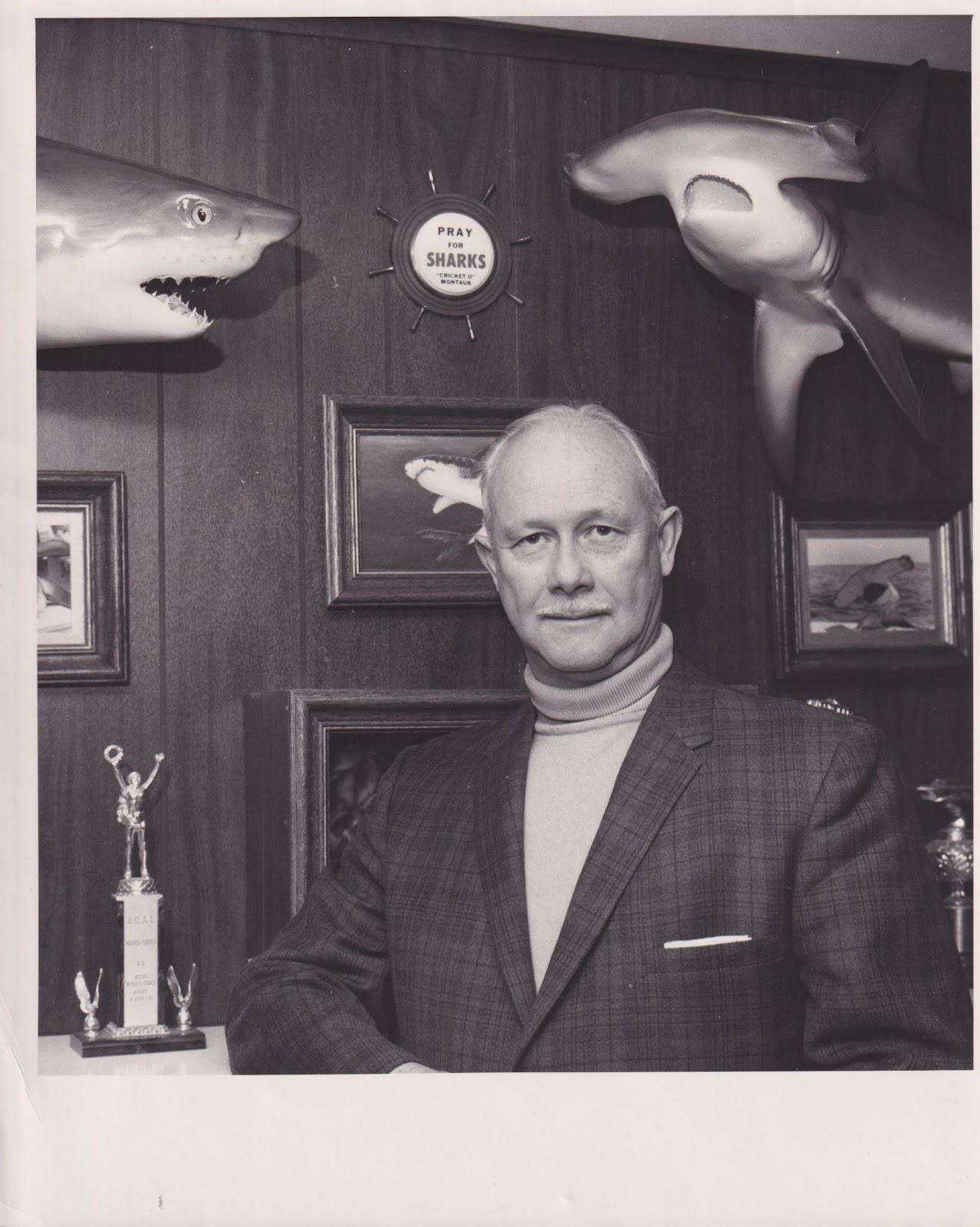
(Figure 1) (Figure 2: Gordon Rynders at his Point Lookout home with a first place trophy he won in a Gulf Coast cabin-boat race. Date and photographer unknown.)
Gordon Rynders (1917-2007) died just short of his 90th birthday2. He worked for 37 years as a photographer for the New York Daily News (Figure 3). From land, sea and air he recorded the broad scope of sports, crime, politics, fashion and entertainment, business and industry, and natural and man made disasters in New York City and the surrounding region. During that span, Rynders won a Pulitzer Prize for one of his photographs, and five of his aerial photographs (four solo credit and one co-credited with Ed Clarity) were included among the 200 or so published in Fifty Years in Pictures, The New York Daily News (1979). For non New Yorkers, Rynders is perhaps best known for his memorable Macy’s Thanksgiving Day Parade photos which appear in a number of internet photo montages. 3

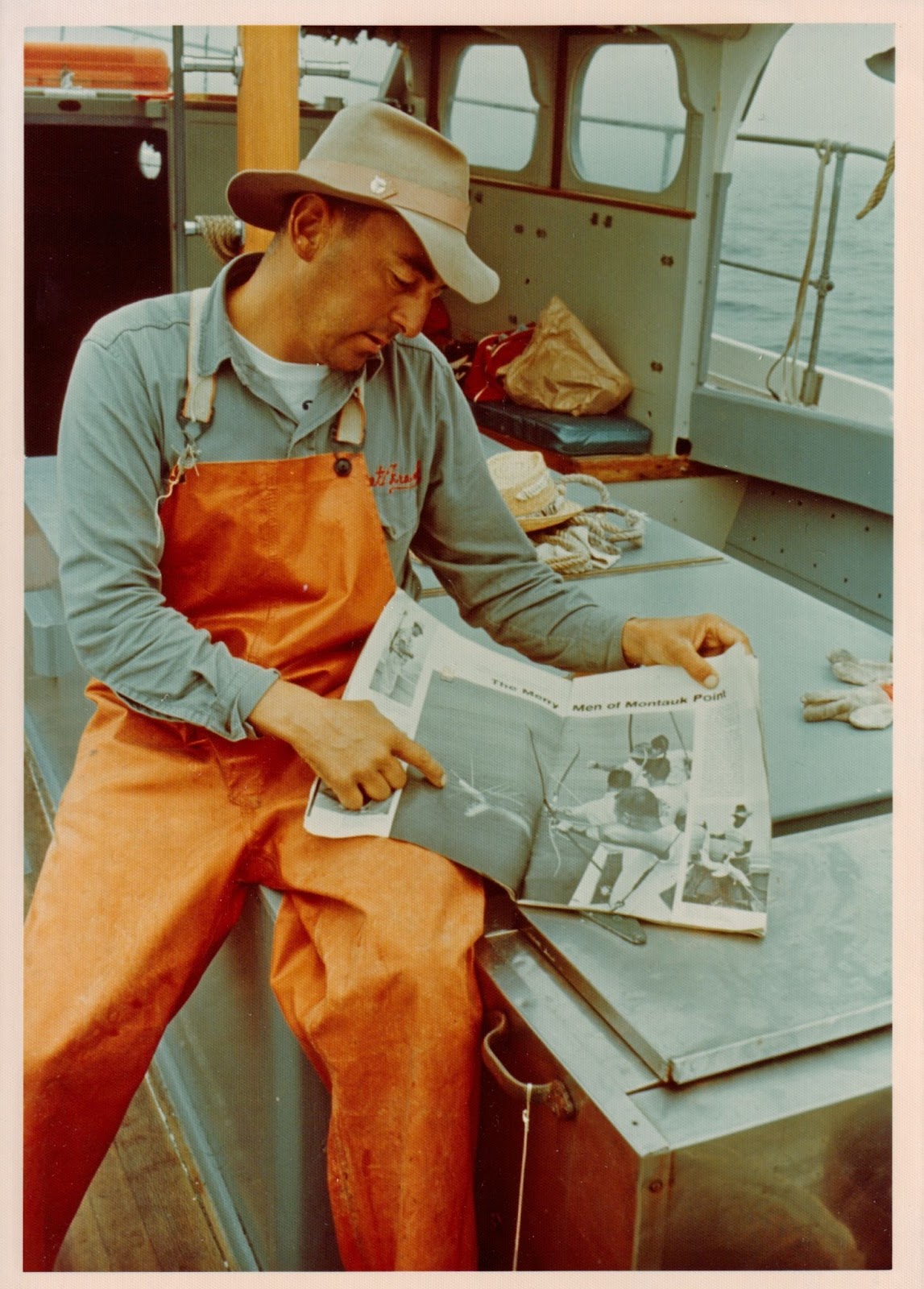
(Figure 3: Rynders at work. Date and photographer unknown.) Rynders’ connection with Erwin, Tennessee, begins and ends with one Sharlotte Jones (died, 2007). Sharlotte and her family were residents of Erwin. She spent much of her formative years in this community at the base of the mountains that form the boundary between Northeast Tennessee and Western North Carolina. As an adult, Sharlotte worked as an airline stewardess based out of Miami and New York
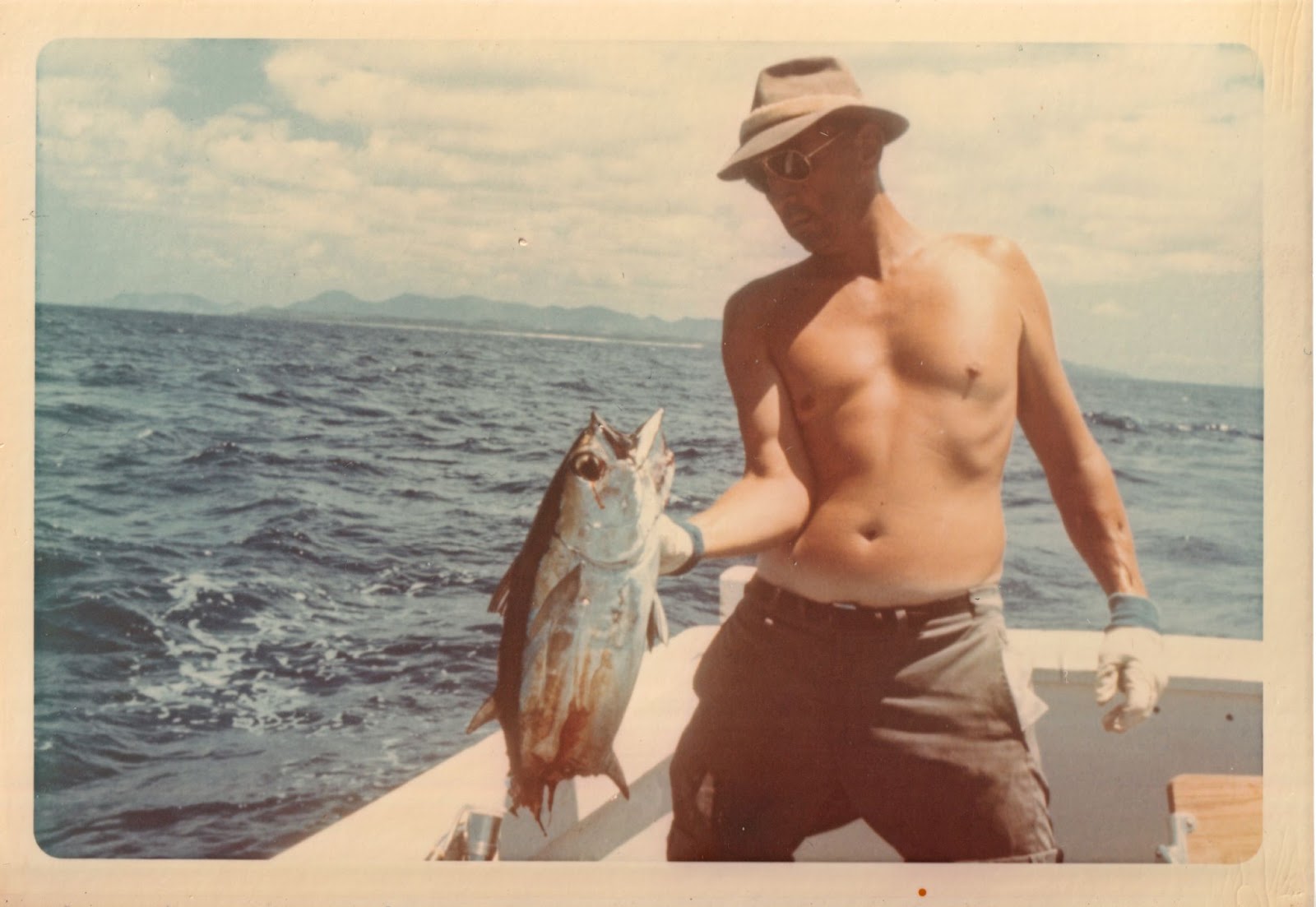
New York is where Gordon Rynders and Sharlotte (Nee Jones) Rynders met. I always thought that they had perhaps met on a commercial flight that Sharlotte had worked. A friend of Sharlotte’s assures me that they met at a New York City party. 4 This makes perfect sense for during their 34 years of marriage, this couple loved and lived the high life. They loved socializing (dressed to the nines), music and musical theater, both on Broadway and at the Barter Theater (The State Theater of Virginia) in Abingdon. They loved boating (Gordon raced-and won in- cabin boats). Gordon, at least, loved sport fishing (Figure 5) in general and specifically for marlin, tuna and shark. Gordon and Sharlotte loved to travel, mostly between their three residences in Long Island, Manzanillo, Mexico and Erwin.
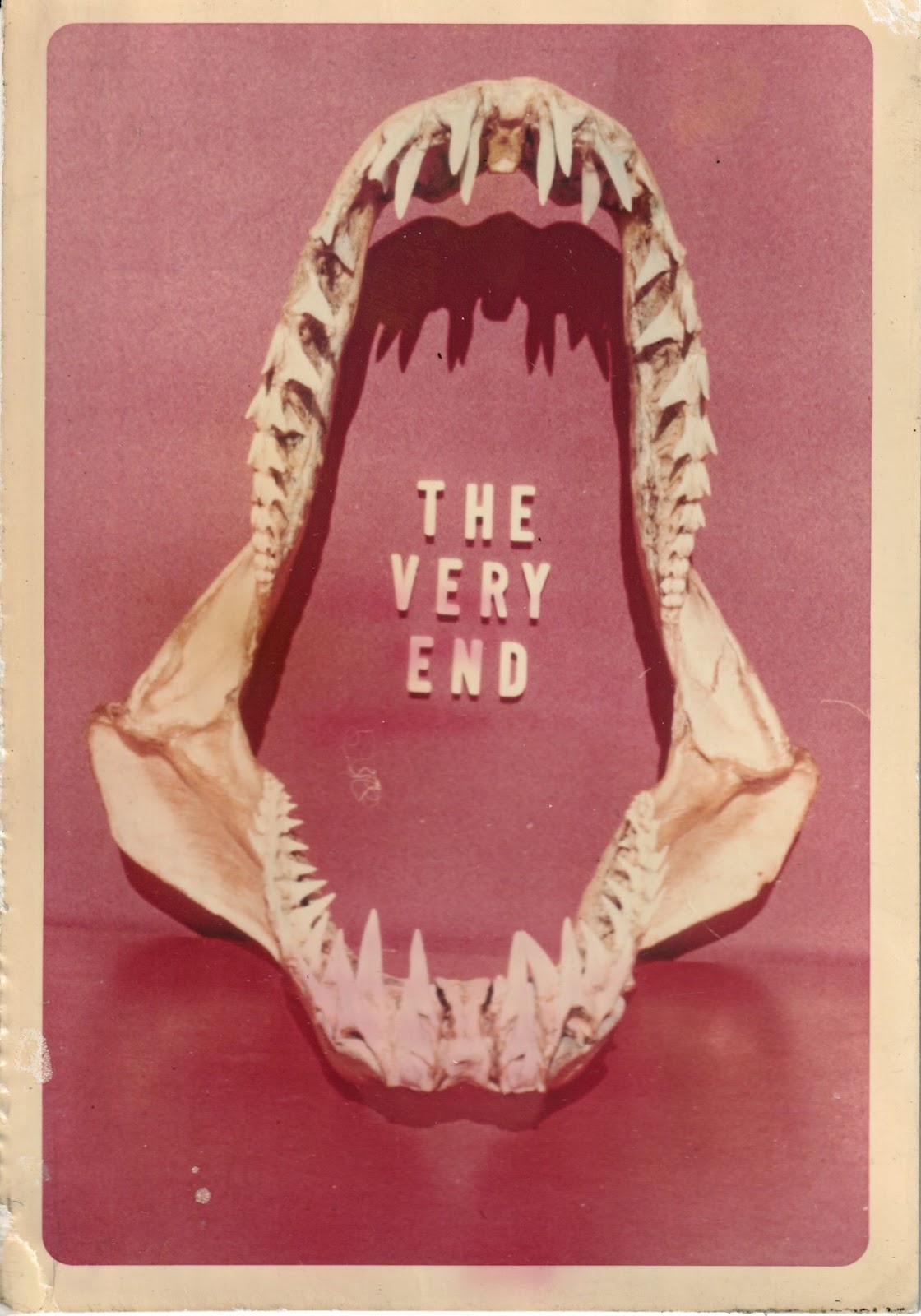
(Figure 5: Gordon Rynders with his Marlin catch, photographer and date unknown.) (Figure 6) It is hard to overstate the importance of the jaw seen in Figure 6. Or rather, it is hard to overstate the importance of the great white shark that this jaw belonged to. It was a primary inspiration and key influence for a seminal underwater shark documentary and in the creation of a best selling novel and subsequent blockbuster movie.
The photo of that massive Great White jaw is dated September,1964.5 It is the same Jaw that frames Captain Frank Mundus’s head and upper torso on the cover of the book Monster Man (1976) 6, and all subsequent editions of the book (Figure 7). Gordon Rynders took both shots and is given photo credit for the cover shot in all of the published editions.
(Figure 7: Gordon Rynder,s’ personal copies of Boggs’ books, photo by the blog author.) On June fifth of that year, 1964, Captain Mundus had harpooned a massive, 17.5 foot White Shark with a girth of 13 feet out of Montauk, New York. Using a less than precise formula, Mundus estimated the fish, (a female prematurely dubbed a “Big Daddy” during the catch)7 to weigh around 4,500 lbs. Many have questioned the estimate and formula used to obtain it. Based, however, on the reconstructed snout (see figure 8) on the wall of a local Montauk bar called Salivar’s,8 well respected shark expert Dr. Perry Gilbert agreed that the shark was the largest great white he had ever seen, and that it could indeed weigh 4,500 pounds or better.9 That weight is still widely reported as a valid estimate.10 Mundus himself identifies the jaw in our photos as the jaw of that enormous shark. 11
It is the report of that shark and its capture that brings a 32 year old writer from Newsweek to Montauk to interview and profile the hunter. This is the first of at least two personal encounters between Jaws author Peter Benchley and Frank Mundus. 12 Thirty years after the publication of Jaws, Peter Benchley13 cites first the New York Daily News story about the taking of that great white, along with his many summers spent on Nantucket Island, and the underwater shark documentary, Blue Water, White Death, as his inspirations for penning Jaws. 14
(Figure 8: 4,500 pound white shark’s reconstructed snout at a 1965 sportsmen’s show.) I do not know how or when Gordon Rynder first met Captain Frank Mundus. Mundus provided that his friend Rynders was one of his first customers in the captain’s shark hunting venture.15 It is possible that Rynders chartered the Cricket II, or they met at a Long Island bar, or they were Point Lookout neighbors, or Rynders photographed Mundus to accompany a story on the fisherman. Regardless of how they were introduced, It’s clear from Rynder’s extended and intimate photographic access to Mundus that they were indeed friends. Mundus stayed at the Rynders’ Manzanillo, Mexico condo at least once. 16
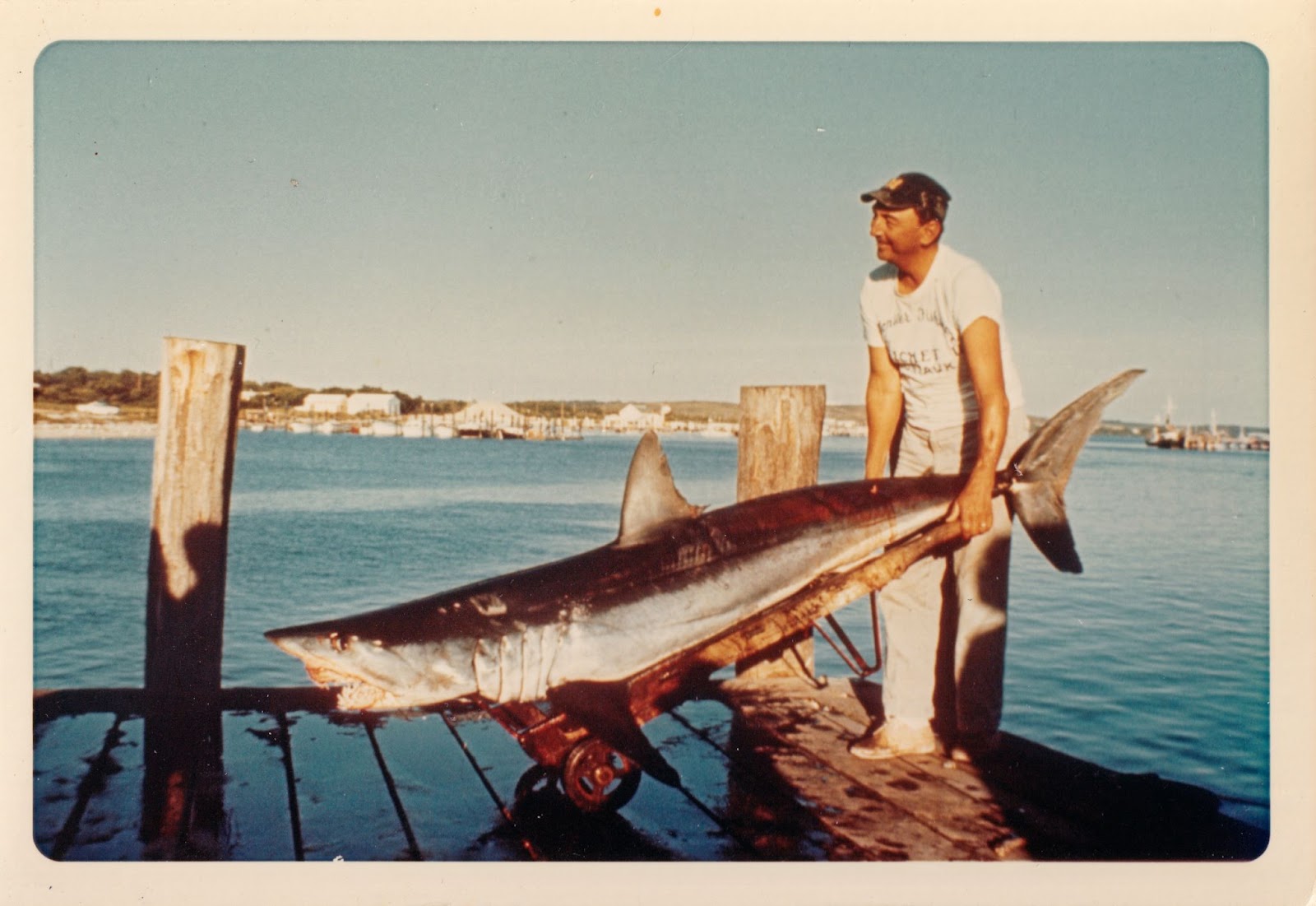
(Figure 9: Captain Frank Mundus aboard the Cricket II.) The history of general human/shark relations from the early 1950s through today is intertwined with Frank Mundus’ personal history with sharks. From a mostly17 unapologetic hunter of sharks (watch his week of August 11th, 1986, appearance on the David Letterman Show on Youtube) to an advocate for their preservation and more humane catch with the use of circle hooks that catch in a shark’s jaw and not the stomach.18 Captain Mundus (1926-2008) was a larger than life character who appeared three times on the aforementioned David Letterman Show and once on the Larry King Show. He and his history with sharks were featured in an hour long documentary as part of Discovery Channel’s 2005 Shark Week. The episode took Mundus from Hawaii to South Africa where he was able to experience “Air Jaws”, and see up close great white research – many miles and many years distant from the dock at Montauk and that monster great white.
For a rudimentary biography of Mundus, access the Wikipedia page devoted to him. You can also access his current website: www.fmundus.com . Richard Ellis provides a more in-depth profile in The Book Of Sharks, published in 1976.19 There are also, of course, a number of YouTube clips with Mundus featured. For the most personal picture of the man and his methods, Robert L. Boggs, along with Mundus, authored Monster Man in 1976.20 Captain Mundus and Jennette Mundus, his second wife, co-authored a more comprehensive autobiography, Fifty Years A Hooker, published in 2005. Additionally, Mundus, along with co-author Bill Wisner, wrote Sportfishing for Sharks, published in 1971 by Macmillan.
(Figure 10: Mundus with shark bait in hand. Photo dated Oct, 1964.) (Figure 11: Mundus and a eight to ten foot Mako, dated Sept, 1968.)
Richard Ellis described Mundus as “a showman , a storyteller, a practical joker, and probably the best shark fisherman on the East Coast of the United States.”, 21 and, “an institution.”. 22 David Letterman called him “the world’s most interesting shark hunter”. Peter Benchly’s wife Wendy, among others, described him as “eccentric”.24 Referring to Mundus, Peter Benchley himself was quoted as saying that he “ was a big, colorful shark fisherman”. 25
Mundus to the day of his death was as adamant that he was the model for Captain Quint of Jaws; as adamant as Peter Benchley was ambiguous about his model for Quint.26 Most impartial observers believe, however, that Mundus was at least an (unconscious?) influence in the creation of the character.27
August 5th, 1986, Mundus and angler Donny Braddick along with crew members from Cricket II and the Fish On, landed a 3,427 pound white shark with rod and reel. 28 This was over 700 pounds heavier than the 2,664 pound specimen Alf Dean landed with rod and reel in South Australia in 1959. 29 Dean’s catch was and still is the formal world record as recognized by the International Game Fish Association. The IGFA declined to recognise Braddick and Mundus’s catch. (There is a photo of Mundus next to that shark in Life magazine’s Jaws, The Shark Movie That Changed The World , published on the 45th anniversary of the movies’ release). 30 Previously, in August of 1979, Mundus and angler James Melanson reeled in a 1,080 pound shortfin mako from the Cricket II. It was at the time a record, and still the biggest mako reeled in on fifty-pound test line. 31
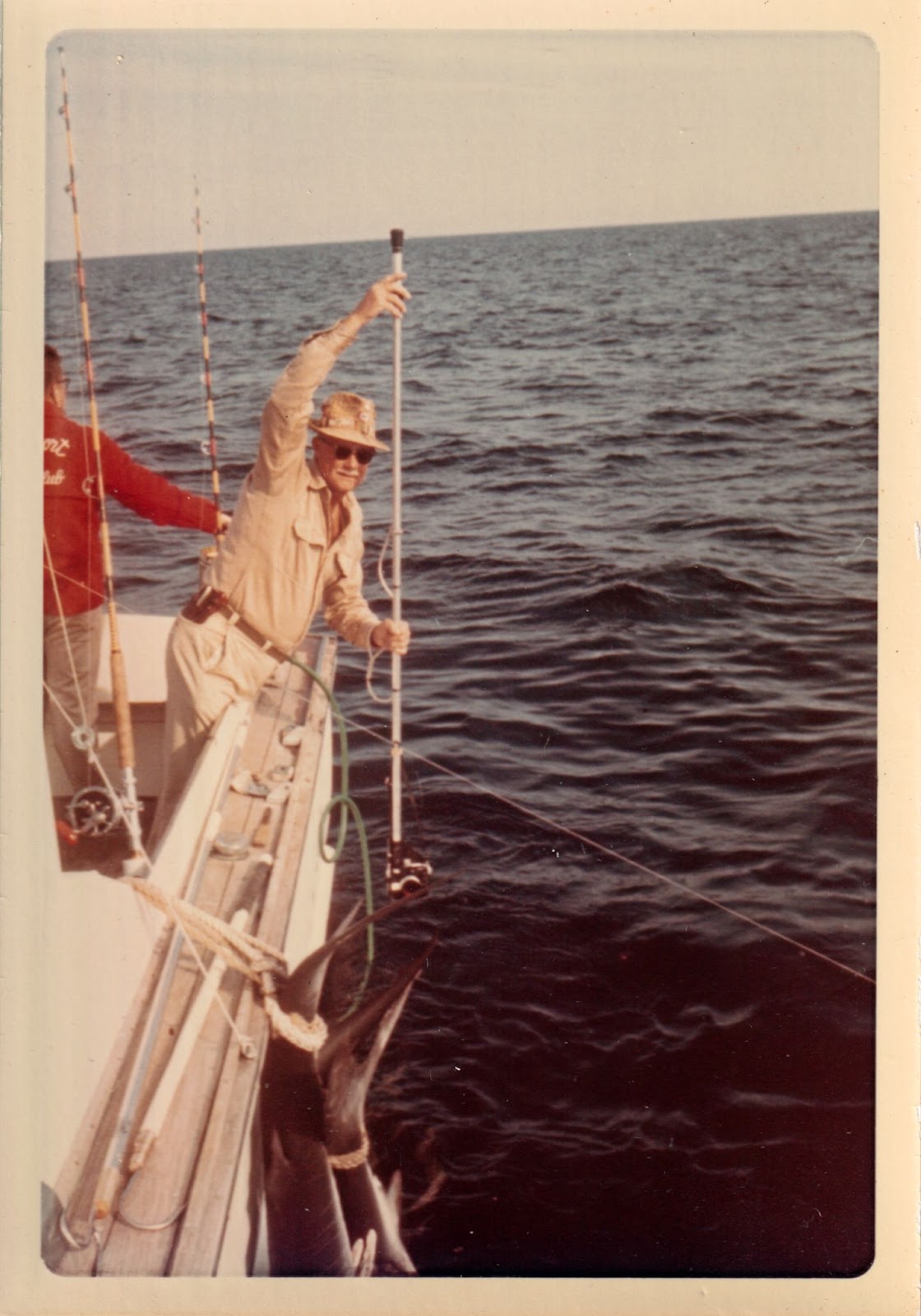
(Figure 12: Photo dated Dec. 1968, photographer unknown.) The above photo (Figure 12) dated December,1968, shows Gordon Rynders aboard the Cricket II holding an extended pole with a camera attached to its end. One might wonder what is happening here, but we don’t have to. Captain Mundus tells us:
“The chicken pole was Gordon’s own invention. It was a pole with a camera on the other end and it had a trigger and a turning knob which let you shoot the picture as far underwater as you could push the six-to eight-foot pole. Gordon nicknamed it a chicken pole because if you weren’t chicken, you would go over the side to shoot your own pictures.”. 32
(Figure 13) I

(Figure 14: Rynders’ personal copy of New York News magazine featuring his cover photo. Photographed by the blog author.) It must have been by this technique that Rynders took the above photo of the Blue Shark (figure 13), as well as the photo of a Blue Shark that graced the front cover of the July 14, 1974, New York News Sunday News Magazine (figure 14). The lead feature for that issue was “Shark” (the front page headline tease for the article was “The Deadliest Game:Fishing for Shark in Local Waters”). There is another of Rynder’s blue shark shots and a photo and caption mention of Captain Mundus in the body of that article.
Robert Boggs stated that Rynders collected “some of the best underwater shots of the sport of shark fishing ever taken.”, despite having to use some guesswork in the process. 33 Ron Taylor used a similar technique – minus the aluminum pole (head, shoulder and camera in the water)34 – to take the first underwater photo of a great white in 1964. 35 That photo became the poster advertisement for the movie Blue Water, White Death, 36 which we will say more about now.
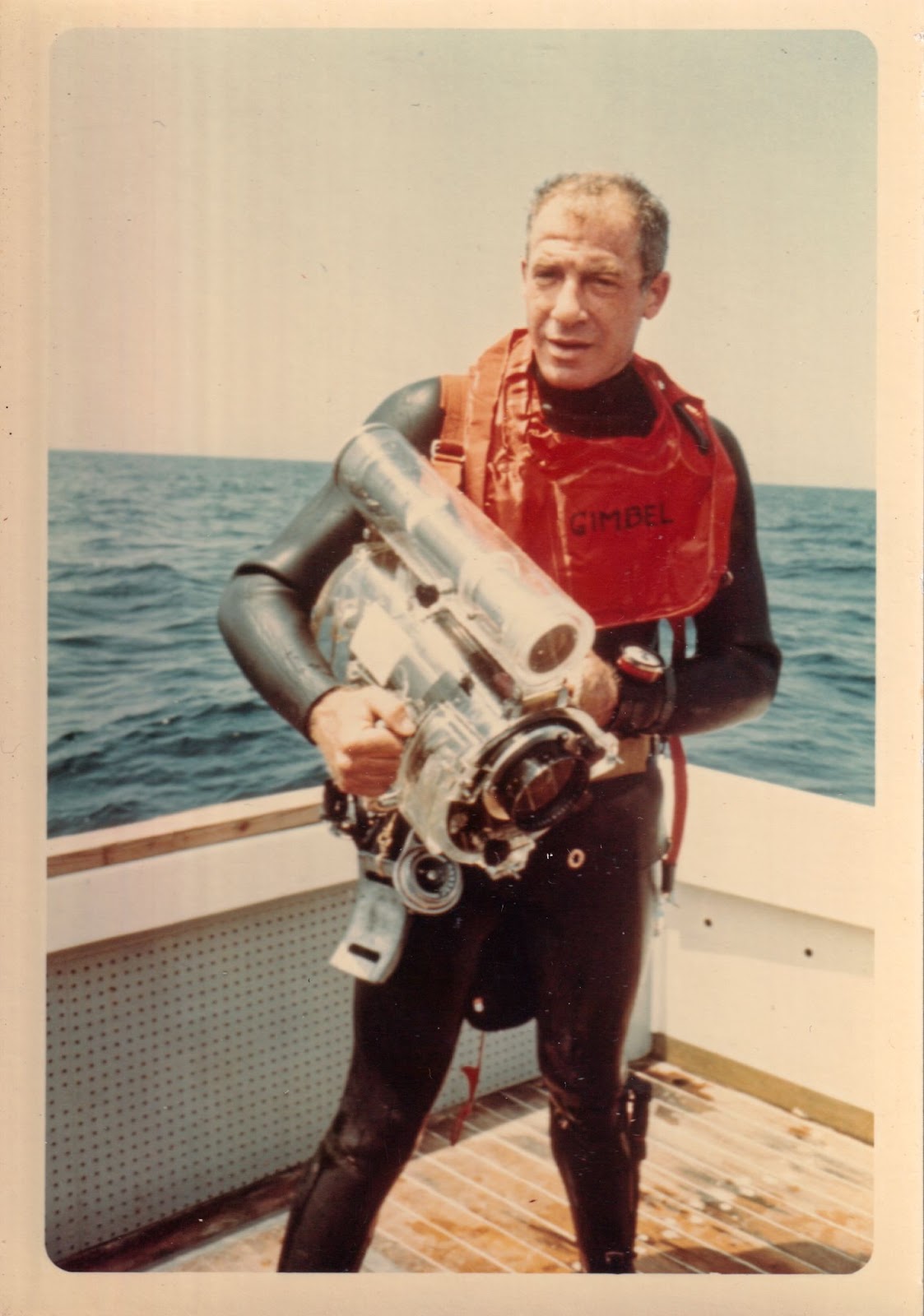
Unlike Gordon Rynders, Peter Gimbel (1927-1987) was not afraid to go over the side to shoot (actually film) his own shark photos. Scion of the Gimbel Department Store family, he was New York City born and Yale educated. He left a near decade-long career on Wall Street to become an explorer/ adventurer, world class scuba diver, and outdoor documentary filmmaker both on land and undersea.
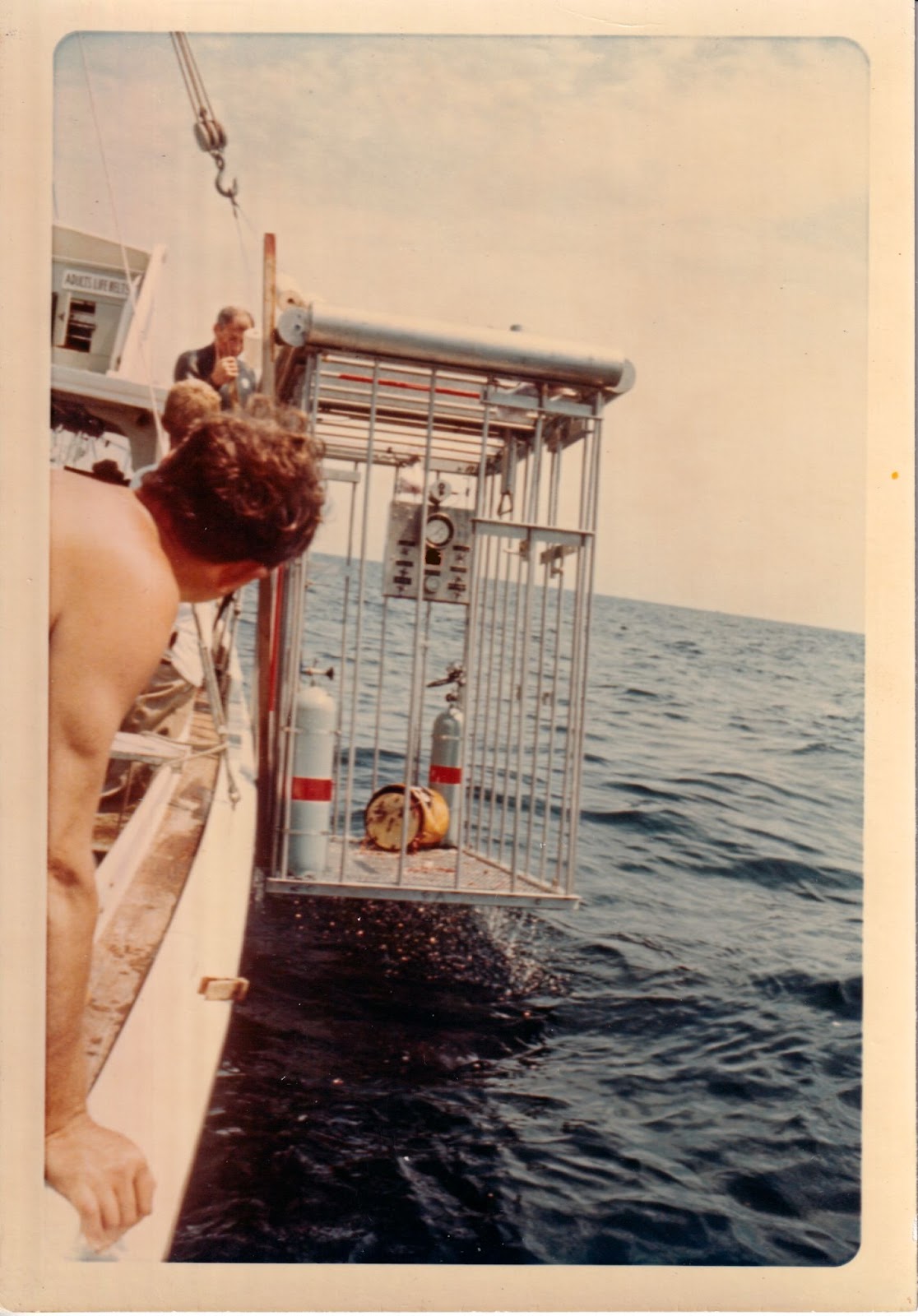
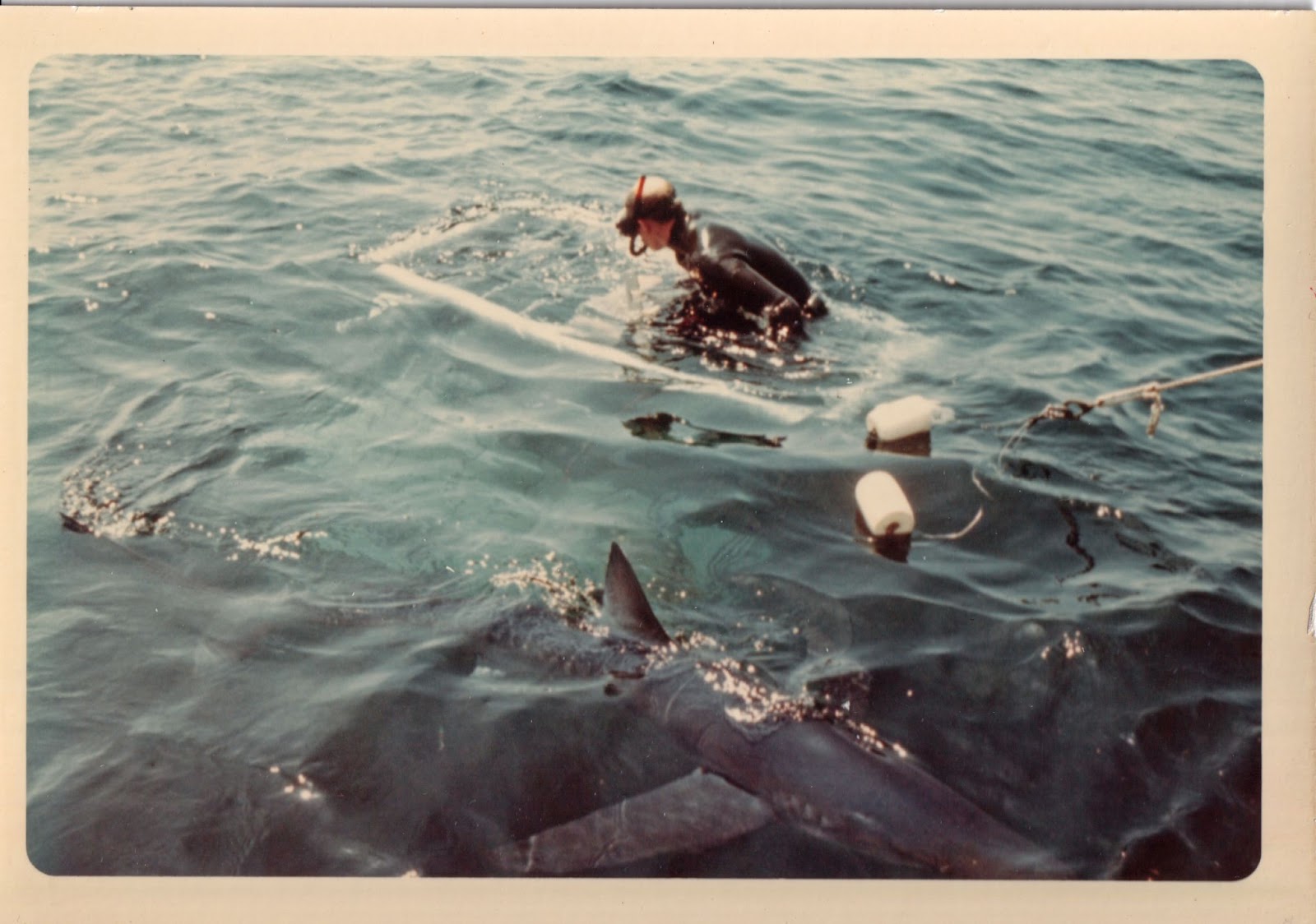
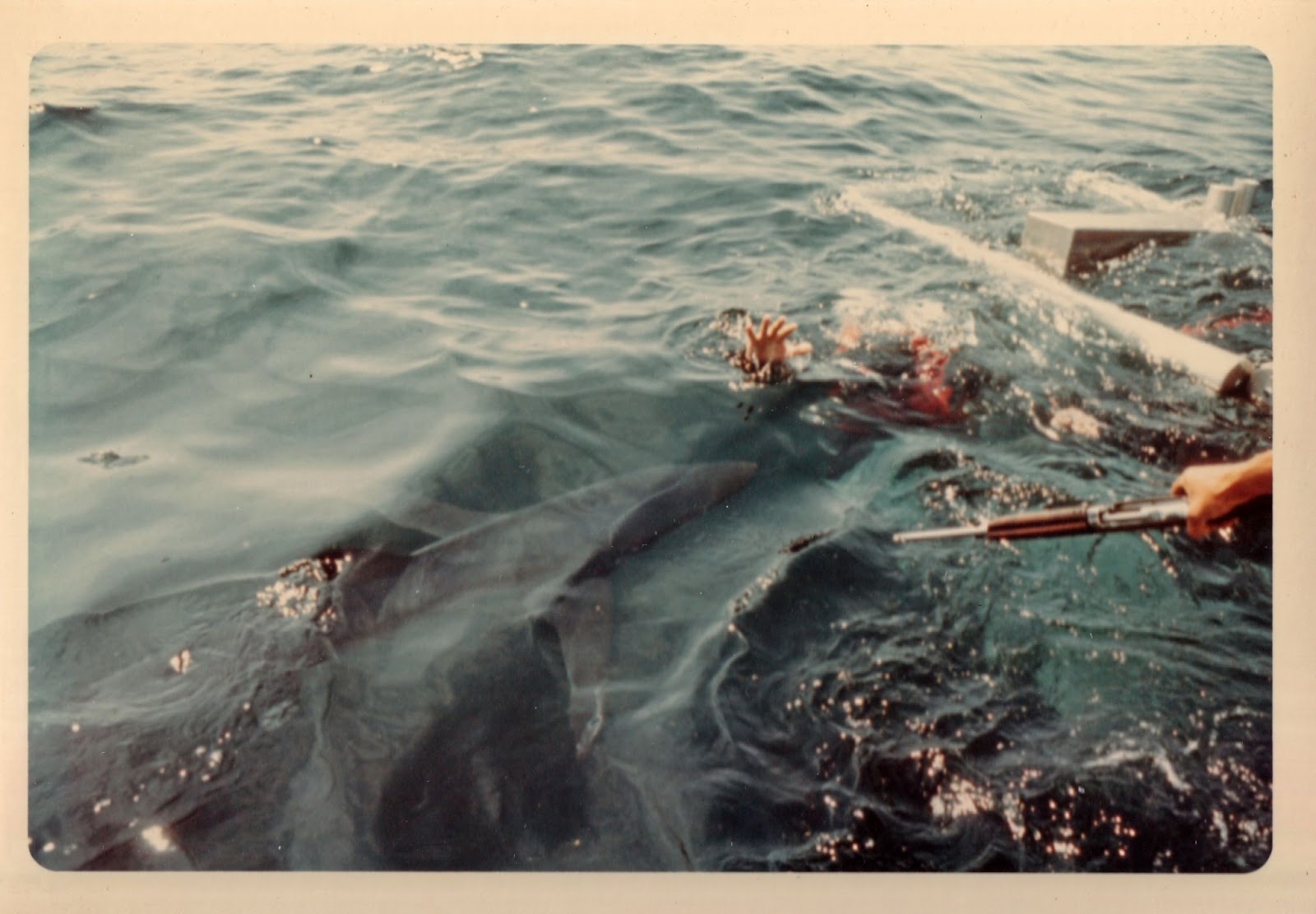
(Figure 15: Peter Gimbel aboard the Cricket II.) (Figure 16) (Figure 17) (Figure 18) Sequentially The first shot (Figure 15 ) shows Gimbel on deck of the Cricket II with his state of the art underwater camera. The second shows (Figure 16) Gimbel’s shark cage ascending (or descending?) from the boat. The next photo (Figure 17) captures Gimbel leaving (or reentering?) the cage. The fourth and final shot (Figure 18) has Gimbel outside the cage with his left hand up and slightly above the water, as if to ward off the approaching Blue Shark. In the center foreground of that photo, a forearm can be seen pointing a rifle toward the water and the shark.
One might wonder what story is unfolding here in figure , but we don’t have to. Captain Mundus, himself, explains what’s happening: “The blue shark came up slowly, straight toward Pete. Pete raised his hand and waited until the blue shark was close enough to touch. Then he slowly lowered his hand, took the blue shark by the nose, and gently turned him to the left.”37 Earlier Mundus had directed Gimbel to stay close to the boat so that Mundus would have a clear shot at the sharks with the rifle if they threatened Gimbel (ibid)
If, as I suspect, these shots were taken in September or October of 1968, then it is probable that Gimbel was using the Cricket ll as his base for last minute adjustments to his out-of-the cage underwater filming techniques that would be employed in South Africa, Ceylon and Southern Australia beginning in March of 1969.38 That is when Gimbel, Stan Waterson, Valerie and Ron Taylor , Rodney Fox and others39 began filming the seminal underwater documentary Blue Water, White Death. That experience is also documented by author Peter Mattthiesen in his classic nature book: Blue Meridian: In Search of the Great White. Published in 1971. (Valerie Taylor also devotes a chapter to that pursuit in her recent poignant 2019 autobiography An Adventurous Life,40) Gimbel had already produced an underwater documentary film , In the World of Sharks, from the Cricket ll in 1965.41 Gimbel worked with the same Montauk Blue Sharks for that documentary as seen in our photos here. Additionally, there are still shots at the very beginning of Blue Water, White Death (as well in the movie’s trailers) of a 3,500 pound great white that Mundus and mate Stanley Lennox had landed on the Cricket II on July 5, 1960.42 I believe that another still at the beginning of the movie is that of the great white snout from Salivar’s bar.
According to Peter Matthiesen,43 it’s Gimbel’s fascination with that reconstructed trophy snout in Salivar’s, and the awe, fear and potential challenge a fish like that would produce, that spurred his idea for Blue Water, White Death. (Matthiesen, himself, had earlier traveled a short distance from his nearby home to see the still whole fish on the Montauk docks, and was also duly impressed).44 Valarie Taylor also adds Her and husband Ron’s Ronald and the Great White Shark as an inspiration for Gimbel’s documentary vision. 45
Gimbel and Mundus were acquainted with each other at least as early as the mid 1960s when Gimbel located an old crude diving cage in Mundus’ backyard. 46 (Matthiessen47 has it as early as 1960). It was from this prototype that Mundus and some of his customers had created 48 that Gimbel specially designed and built the cages he would use for the Blue Water, White Death filming, and quite possibly including the one seen in figures 15-18. If Gimbel, with the input of Mundus, did not develop the first shark cage – as Boggs and Mundus asserted 49 – then they certainly created a “state of the art” 50 cage, a patent for which Gimbel held and which is still applicable to this day.51
Oddly, if also appropriately enough to this blog, one of two of Gimbel’s surviving cages can be seen at the Tennessee Aquarium in Chattanooga. The aquarium is located near the base of Lookout Mountain which is the southern boundary of my Appalachia.
There is one other bit of connection between these photographs and their subjects. Peter Gimbel had made his early reputation on his underwater exploration and photographic documentation of the wreck of the Italian luxury liner, the Andrea Doria. On July 25th, 1956, the ship had been struck by a Swedish liner, and fifty of the 2,000 passengers aboard the Andrea Doria died in the disaster.
Gordon Rynders was in the air with the New York Daily News airplane photographing the unfolding disaster, but due to a refueling break was not in the air when the ship sank below the surface. Sharlotte Jones Rynders was quoted as saying that this was Gordon’s greatest disappointment as a journalistic photographer. 52 It should be noted, though, that one of Rynders’ shots of the listing Andrea Doria does end up as one of the selections in the aforementioned Fifty Years of Photographs, The New York Daily News.
On the Andrea Doria that day was a young boy named Robert Boggs, who survived that sinking along with his parents.53 At least twice, Mundus, Rynders and Boggs fished together on the Cricket ll, and on at least one of those occasions, June, 1970, found themselves fishing in the same general area of the disaster. Though Mundus doesn’t mention it, it is hard to imagine that it was not a subject of conversation during their time together. It is equally hard to believe that Rynders and Gimbel didn’t swap Andrea Doria stories during the time they shared on the Cricket ll, if they talked at all.
It is almost universally accepted that Jaws the book, and more so the movie, led to “such a time of carnage for shark populations”.54 It is clear that the popularity of individual and tournament shark fishing soared nationwide55 following the movie premier. It is also true, however, that the backlash from that slaughter led to greater shark interest, research and conservation efforts than ever before!56 (Do I need to mention we just finished watching the 34th year of “Shark Week and the 10th year of Sharkfest? And how many of us follow the ping points of various great whites, tigers, etc tagged over the last decade by Ocearch?).
Both Peter Benchley and Wendy Benchley were happy to highlight the number of young people who had entered into the various specialities related to the general field of Oceanography due to the Jaws phenomenon – and their own conservation efforts that grew out of their own shark education and field experience. Wendy Benchley echoed what David A. Ebert (see footnote 52 below) and many others have said. when she was quoted in 2020 as saying “The Jaws phenomenon changed popular culture and continues to inspire a growing interest in sharks and the ocean today”. 57
We are indeed blessed that Gordon Rynders was present and able to record some of the early key players and components of that movement from slaughter to conservation.
(Figure 19) Acknowledgements
My deep gratitude goes out to Kathy Effler Alford. Being unable to attend the estate sale following Sharlotte’s Rynders’ death, I asked Kathy to attend the sale and purchase anything “sharky”. She succeeded beyond my wildest hopes. Without her salvage efforts, these photos would have almost certainly been lost to history. The same goes out to Caitlin Neal-Jones who provided some great editorial suggestions. Caitlin also launched me kicking and screaming into the blogosphere.
Endnotes
1. Unless otherwise noted, all photos were taken by Gordon Rynders
2. I served as Gordon and Sharlotte Rynders’ pastor near and at the end of Gordon’s life. Though both his physical health and memory were failing, Gordon loved to regale me with stories about aerial photography, fishing and Captain Frank Mundus.
3. e.g. vintagenewsdaily.com/30-vintage-photographs-of-the-macy’s thanksgiving-day-parade-balloons-and-floats-from-the-1920s-to-the-1960s/
4. Evelyn Stack, personal communication, 2014.
5. These are film development dates.
6. Boggs, Robert, Cricket II Publishing
7. Boggs, 2001:148
8. Ibid:155
9. Ellis, 1976:259,
10. e.g. Cresswell, 2019:41
11. Mundus and Mundus, 2005:160-162
12. Ellis, 1976:217
13. Benchley, 2004:34-35
14. Other reported influences include the 1916 Jersey Shore shark attacks e.g. (Life,2020:17, Ellis, 1976:), and “Shark”, an article Benchley wrote and published in the November, 1967, issue of Holiday Magazine (Potts, 2021).
15. Mundus and Mundus, 2005:103
16. Ibid: 287-289
17. We’re told that Mundus did feel sorry for Big Daddy, and that the shark should have kept to deep waters (Boggs 2001: 152)
18. In 2005 Mundus and his second wife Jennette also co-authored a children’s story titled White Shark Sam Meets the Monster Man, which promoted shark conservation and responsible tagging and research.
19. Ellis also provides excellent profiles of Peter Benchley, Peter Gimbel, Ron and Valerie Taylor, Stan Waterman, Rodney Fox and others mentioned in this piece
20. First published in 1976 by Cricket II Publishing and republished by Lorenz Press as Shark Man in 1977
21. Ellis, Richard, 1976:257
22. Ibid:260
23. In a week of March 11, 1986, episode of the David Letterman Show, perhaps quoting from a 1983 Newsweek article?
24. Dowling, 2014
25. JawsFest 2005
26. Benchley stated that the character was “ a composite of old salts from Nantucket, Martha’s Vineyard and Long Island (Benchley quoted in Finn, 2000).. It should be noted that Frank Mundus certainly qualified as an “old salt” from Long Island. Wendy Benchley insisted that “Quint was more nuanced” than Mundus,, and based on more “complex “ personalities such as Rodney Fox (Dowling, ibid)
27. e.g. Rutenberg, 2013, in an article in the New York Times on shark sport fishing, describes Mundus as “a model for the grizzled shark hunter, Quint, in ‘Jaws’”.Ewen MacAskill, 1986, in an article in the Washington Post, wrote “He is a shark hunter, believed by many -particularly Mundus – to be the inspiration for Quint…” Upon his death there was not a major American newspaper that posted an obituary for Mundus that failed to mention this belief.
28. Mundus and Mundus, 2005:382-389
29. Dean held the previous record as well with a sixteen foot, nine inch long white weighing 2,536 pounds
30. Life, 220:17
31. Mundus and Mundus, 2005:360
32. Mundus and Mundus, 2005:169
33. Boggs, 2001:171
34. Taylor, 2019:62
35. Ellis, 1976:274
36. Ellis, 1989:180-181
37. Mundus and Mundus.2005:169
38. Taylor, 2019:104-105
39. Those others include Peter Lake, Stewart Cody and Tom Chapin (Harry Chapin’s brother, folk music artist and host of the vintage saturday morning kid’s show “Make a Wish”.
40. An excerpt from Blue Meridian and selections from Valerie Taylor’s diary of that experience can be found in Great Shark Writings, Valerie and Ron Taylor, editors, with Peter Goadby, The Overlook Press, Woodstock and New York, New York, 2000.
41. Ellis, 1976:240
42. Mundus and Mundus,2005:164
43. 1997:30-31
44. Ibid:28
45. Blue Water, White Death 50th Anniversary Virtual Reunion, streamed live May 12, 2021, accessed May 12, 2022.
46. Ellis, 1976:239
47. Matthiessen, 1997:26
48. Boggs, 2001:161
49. Boggs, 2001:169
50. Taylor, 2019:240
51. Rodney Fox is usually credited with inventing and pioneering “modern shark cage diving,(Stewart, 2017) Discovery Channel’s Shark Week companion magazine for 2018 (pg. 64) lists Fox’s “idea to create the world’s first protective Shark Cage” as one of the five defining moments in human/shark relations. Jacques-Yves Cousteau wrote that his team had been “Putting men in cages to protect them from sharks” since 1950. (Cousteau and Cousteau, 1987, 34). I guess it depends on how one defines “modern”, “protective”, etc to understand the evolution of shark cages and who should get credit for what. I’m a confused landlubber and would appreciate any clarity anyone could give regarding this.
52. New York Daily News, “Gordon Rynders, Retired Daily News Photographer, Has Died”, posted Saturday, April 7th, 2007, 4:00 AM.
53. Mundus and Mundus, 2005:171
54. Taylor, 2019:174
55. e.g. Slocum, 1975; Braswell, 2020:16, Ellis, 1977:219; Hodges and Skerry, 2016:133; among many, many others.
56. e,.g. David A. Ebert (2021) provides a brilliant and concise synopsis regarding the reality:and almost universal acknowledgement of the damage Jaws did to shark populations. More importantly, he highlights the overwhelmingly beneficial light that Jaws caused to shine on sharks and shark conservation issues. Ebert suggests that the interest, study and action that resulted from that attention is Peter Benchley’s true legacy. Find this article and read it (listed in References Cited).
57. Boomers Daily, News, Views & Reviews For The 55+, Sept 9, 2020
References Cited
Benchley, Peter, Shark Trouble, Random House Inc., New York, 2002
Blue Water, White Death 50th Anniversary Virtual Reunion, Keith Cowley, Living Sharks Museum, moderator, streamed live May 12, 2021. Accessed May 12, 2022
Boggs, Robert F., Monster Man, Master Hunter of the Deep, Abery Publishing Company, Honaunau, Hawaii, 2001
“New Interviews: Wendy Benchley On Legacy Of Peter Benchley’s ‘Jaws””, Books Connect Us: The Podcast in Boomers Daily, News, Views & Reviews For The 55+, September 9, 2020. Accessed July, 5, 2022
Braswell, Tommy, Remember when every week was ‘Shark Week’?, Tideline, a special “Shark Issue” publication of the Charleston Post and Courier, July/August issue, Charleston, South Carolina.
Cousteau, Jacqes-Yves and Philippe Cousteau, The Shark, Arrowwood Press, New York, New York, 1987
Creswell, W. Clay, Sharks in the Shallows, Attacks on the Carolina Coast, The University of South Carolina Press, Columbia, South Carolina, 2021.
Discovery Communications, Sharks, The Definitive Companion, Tim Baker, editor, Topix Media Lab, New York, New York, 2018.
Dowling, David, “How the Creator of ‘Jaws’ Became the Shark’s Greatest Defender.”, Narratively: Human Stories, Boldly Told, August 15, 2014
Ebert, David A., Jaws, Lost Sharks, and the Legacy of Peter Benchley; Princeton University Press.July 13, 2021. Accessed April 10th, 2022
Ellis, Richard, The Book Of Sharks, Grosset & Dunlap, a Filmways
Company, New York, 1976
“The Legendary Shark”, Sharks, Dr. John D. Stevens, consulting editor, Intercontinental Publishing Corporation, Hong Kong, 1989.
Finn, Robin, “Dear Great Whites: I Didn’t Really Mean It.” Public Lives, section B, page 2, 2000. Accessed July 5, 2022
Hevesi, Dennis, “Frank Mundus, 82, dies; Inspired ‘Jaws’”, New York Times obituary, September 16, 2008, New York Times Company, New York
Hodges, Glen and Brian Skerry, photographer, “Bolt From The Blue”, National Geographic Magazine, volume 232, number 2, August, 2017 National Geographic Society, Washington D.C.
Jaws, The Shark Movie That Changed The World, Meredith Corporation, New York, New York.
MacAskill, Ewen, “Hunter of The Great White”, Washington Post, August 20, 1986
Matthiessen, Peter, Blue Meridian: The search for the Great White Shark, Penguin Nature Classics, Edward Hvagland , series editor,
Mundus, Frank and Jeanette Mundus, Fifty Years a Hooker, 2005
The New York Daily News, Fifty Years In Pictures, Worth Gatewood editor, A Dolphin Book, Doubleday & Company, Inc., Garden City, New York, 1979
Potts, Rolf, “Shark” by Peter Benchley (The 1967 Magazine Essay that Inspired “Jaws”., R.P. internet site, November, 1967
Rutenberg, Jim, “Rethinking Tournaments Where Sharks Always Lose.”New York Times, July 22, 2013
Slocum, Kenneth, “Tough and Bloody, Big Shark Fishing Becomes a Passion.”, The Wall Street Journal, September 26, 1975.
Taylor, Valerie, An Adventurous Life, Hachette, Australia, Sydney, 201
Sharks, Stevens, John D.,contributing editor and Tony Pyrzakowski
illustrator, Facts On File Publications, New York, 1987
Stewart, James, What happens after you’re bitten by a great white shark?, Adventure.com, April 19, 2017, retrieved july 7, 2022
Vintagenewsdaily.com, “30 Vintage Photographs of the Macy’s ThanksgivingDay Parade Balloons and Floats from the Late 1920s to the 1960s.”, November 17, 2017
Webster, David Kenyon, Myth And Maneater, The Story of the Shark. W.W. Norton Company Inc., New York, 1963




-
Subscribe
Subscribed
Have a WordPress.com account? Log in now.

